

Article: The Complete Guide to Aromatherapy for Yoga & Meditation
The Complete Guide to Aromatherapy for Yoga & Meditation
Scent is the fastest way I know to change the feel of a room.
One breath and suddenly you’re not in your kitchen anymore — you’re in your body.
Aromatherapy can be a beautiful support for yoga and meditation, but it works best when it’s simple and safe.
Let’s make it practical.
What aromatherapy is (in human terms)
Aromatherapy is using natural plant oils (essential oils) or natural scents to support mood and wellbeing — often through:
- diffusion (scenting the air)
- inhalation
- diluted topical use (with a carrier oil)
For yoga and meditation, we’re mostly talking about setting a tone:
- calm
- focus
- energy
- grounding
The best essential oils for yoga (by vibe)
For calm + downshifting
- lavender
- frankincense
- bergamot
For grounding (especially if your mind is sprinting)
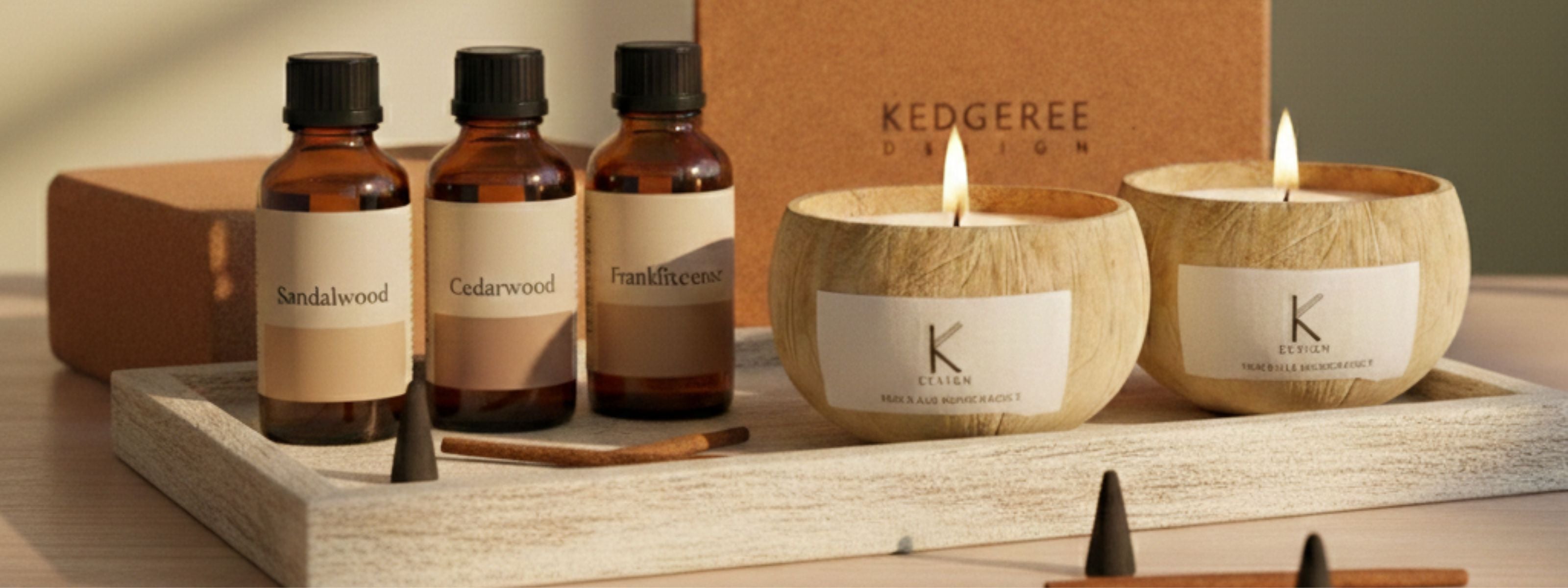
- sandalwood
- cedarwood
- patchouli
For focus + clarity
- rosemary
- peppermint (strong — use lightly)
- eucalyptus (also strong)
For uplifting mornings
- sweet orange
- grapefruit
- lemon
5 easy ways to use aromatherapy in your practice
1) The “light a candle” method (zero equipment)
If you’re a candle person, this is the simplest ritual:
- light your candle
- sit for three breaths
- begin
It’s a sensory cue: practice starts now.
2) Diffuser (best for consistent scent)
Add water + a few drops of essential oil.
- Start with 3–5 drops in a small diffuser.
- Keep it subtle — you want “gentle atmosphere”, not “fragrance shop”.
3) Steam inhale (quick reset)
Add hot water to a bowl, add 1 drop of oil, and inhale gently from a safe distance.
Avoid if you’re sensitive or asthmatic.
4) Aromatherapy shower (the morning upgrade)
Put 1–2 drops on a flannel (not directly on skin) and let the shower steam do the work.
5) Diluted roller blend (for wrists/neck)
Mix essential oils into a carrier oil (like jojoba) and apply lightly.
Always patch test first.
Safety notes (please don’t skip)
Essential oils are potent. A few common-sense rules keep it enjoyable:
- Don’t ingest essential oils.
- Don’t apply undiluted oils directly to skin.
- Be extra cautious if pregnant, breastfeeding, or using aromatherapy around children or pets.
- If you have asthma/allergies, start very light or skip altogether.
A simple yoga + aromatherapy ritual (10 minutes)
- Light a candle or start a diffuser (keep it subtle).
- Sit comfortably, breathe slowly for 1–2 minutes.
- Do 6 minutes of gentle movement (Cat–Cow, fold, Down Dog).
- Sit again for 2 minutes in stillness.
- Blow out the candle as your “end cue”.
That’s a complete practice. No drama.
FAQ
Can I put essential oils directly on my yoga mat?
Better not. Oils can stain and leave residue. If you want scent, scent the room (candle/diffuser) rather than the mat.
How strong should it be?
If it’s giving you a headache, it’s too strong. Aromatherapy should feel like a soft background, not the main event.
If you’re building a home ritual space, explore:
- Yoga & Meditation Candles (clean, cosy ambience)
- Incense Sticks & Holders (simple scent ritual)
- Journals (for intention-setting)
with love,
Kedgeree Design


Leave a comment
This site is protected by hCaptcha and the hCaptcha Privacy Policy and Terms of Service apply.